Why Your Print on Demand Shop Isn't Selling: 9 Mistakes We've Watched for Ten Years
There's a specific silence every new POD seller knows. The shop is live, the designs are up, you've refreshed the stats page enough times to be embarrassed about it, and nothing. Not bad sales. No sales. The silence feels personal, and the internet's answer to it is usually a lecture about niches or a pitch for a research tool.
We've run POD stores for over a decade and, more usefully for this article, we've now seen inside hundreds of other sellers' stores. The pattern is almost boringly consistent: shops that don't sell are rarely failing for exotic reasons. They're failing for the same nine reasons, most of them fixable in days, and, we'll be upfront about our bias here, a surprising number of them are image problems wearing other costumes.
In rough order of how often we see them:
1. The listing photos answer "what is it" but never "why want it"
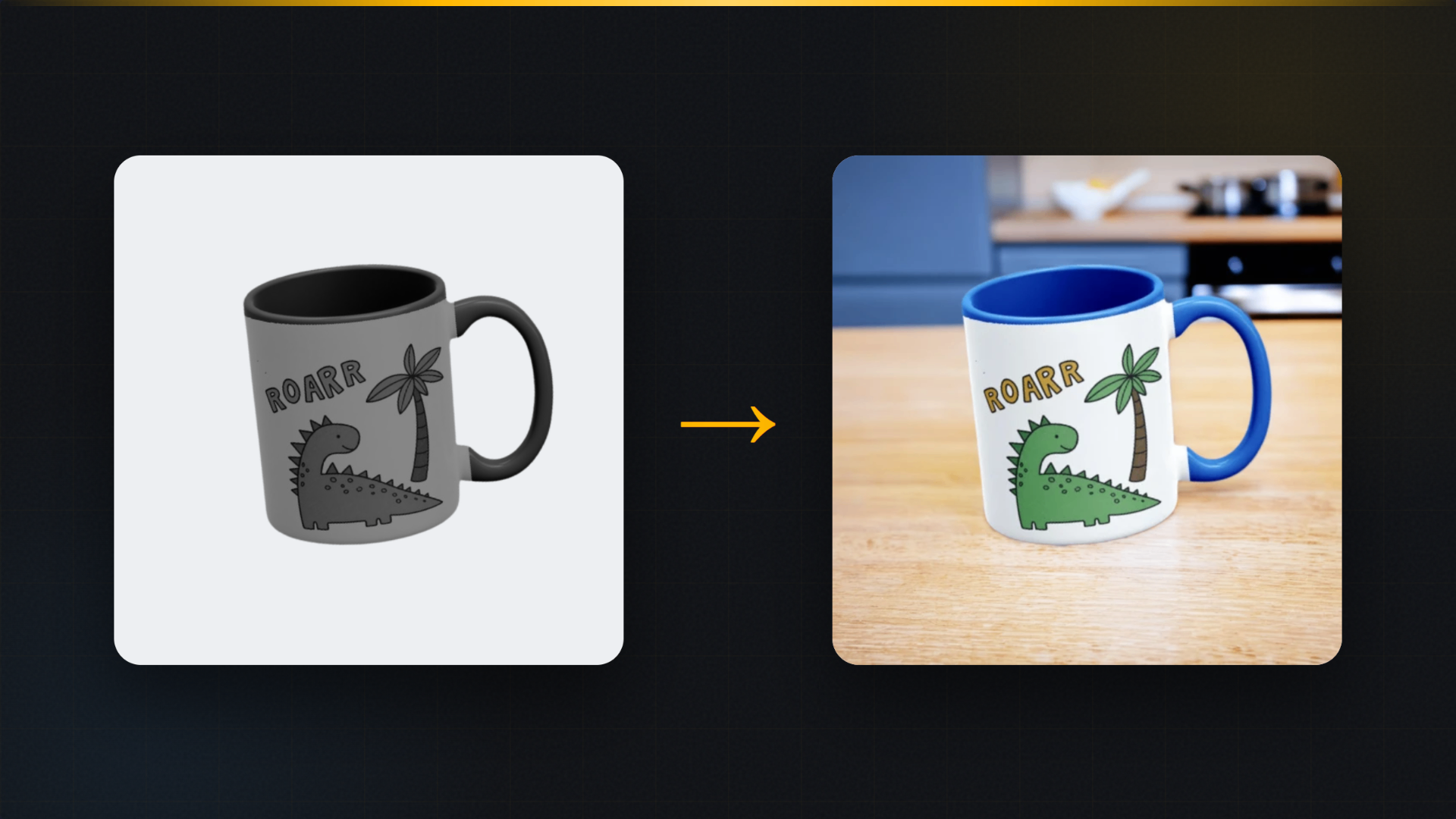
The most common mistake by a distance. One flat mockup on a white background, the same template every other seller uses, and nothing else. The buyer learns what the product is and feels nothing. Product photos are the entire sensory experience of online shopping; a listing with one flat image is a shop window with the lights off. The fix: every listing gets a minimum set: clean shot, lifestyle scene, variant photos, detail or scale shot. This is the highest-ROI afternoon available to a struggling shop, and the whole image playbook exists to make it a fast afternoon.
2. Three listings, treated as a test
Marketplaces reward active, stocked shops, and buyers trust them. Three listings signal a hobby to both. The sellers who break through treat listing volume as a system: new designs weekly, winning designs spread across product types, weak ones culled. The fix: pick a cadence you can hold for 90 days, even a modest one. Consistency reads as alive, to the algorithm and to the human.
3. Quitting inside the silence
The cruel joke of POD is that the silence is normal. New shops sit in it for weeks while the marketplace gathers data about them. Most sellers quit inside it, right before the algorithm would have started testing their listings against real traffic. The fix: decide on day one that the first 90 days are the tuition, and judge the niche only after them. Nothing in this article works faster than that, and anyone promising otherwise is selling something.
4. Designing for everyone, selling to no one
"Funny coffee mug" competes with two million listings. "Funny mug for ICU nurses who survived night shift" competes with forty, and its buyer feels seen. Passionate niches, pets, professions, hobbies, fandoms, buy more and forgive more. The fix: niche the design, then niche the images too. The ICU nurse mug photographed in a break-room scene outsells the same mug on a beige void, because context is part of the niche.
5. The images quietly disqualify you on marketplaces
Suppressed listings from non-compliant main images, grainy uploads below minimum resolution, main slots wasted on lifestyle shots where rules demand clean product images. The shop isn't unpopular; it's invisible on technicalities. The fix: run your listings through the platform rules once. Our marketplace requirements guide covers the strictest case, and ten minutes of checking beats a month of wondering.
6. Variants without variant photos
You offer six colors, buyers can only see one, and "do you have a photo of the blue one" is a message you've received. Every unphotographed variant is a small leak, and leaks compound across a catalog. The fix: variant photos for every option, which stopped requiring a photographer some time ago.
7. Phone photos published raw
Real photos of the actual product are wonderful for trust, and the kitchen-table version with the charger cable in frame is not the trust-builder sellers think it is. Buyers read image care as product care; they can't inspect your print quality, so they inspect your effort. The fix: the four-fix cleanup pipeline: background, clutter, wrinkles, finish. Minutes per photo.
8. Prices set by fear
Racing to the bottom because "nobody knows my shop yet". Underpricing doesn't just shrink margins, it recodes the product as cheap, and cheap-coded products get cheap-coded scrutiny. Premium blanks photographed premium sell at premium, which is the whole 2026 story we covered in the bestsellers guide. The fix: price to the niche's gift value, not to your nerves, and let the images justify it.
9. Marketing postponed until "the shop is ready"
The shop is never ready by the standard that keeps postponing marketing. Meanwhile the sellers winning your niche are posting their products daily, imperfectly, everywhere their buyers scroll. The fix: one channel, worked daily, chosen by where your buyer actually spends time. The content is largely your product images doing double duty, which is one more reason the image set from mistake #1 pays twice.
The pattern under the nine
Read the list again and count: five of the nine are image problems, and two more (pricing, marketing) lean on images to fix. That's not us torturing the data toward our product; it's the structural reality of selling physical goods people can't touch. Your design is your idea. Your images are your entire store.
The good news hiding in that: images are the one factor completely inside your control, changeable this week, with no algorithm's permission required. The niche debate can wait. The silence usually can't.
FAQ
How long before a new POD shop makes its first sale? Wildly variable, but weeks-to-a-few-months is the honest normal range, which is why the 90-day commitment matters. Zero sales after 90 days of active listing, imaging and marketing is a signal; zero sales after two quiet weeks is just Tuesday.
Should I fix old listings or make new ones? Both, in a ratio. Give your best existing designs the full image treatment first, since they're proven ideas with unproven presentation, then keep new listings flowing at your cadence.
Do better photos really matter more than SEO? False choice: tags and titles get you shown, images get you clicked and bought. But between two shops with equal SEO, the one with real image sets wins every time, and most of your competitors have equal SEO and empty image slots.
Is print on demand still worth starting in 2026? The generic middle is crowded; niched design plus proper presentation still works, and the presentation half became radically cheaper. Which is, in fairness, the gap this whole blog exists to help you exploit.
MockItReal turns one design into the full image set your listings are missing: mockups, lifestyle scenes, variants, marketplace shots, every size. Free plan: 10 mockups a month, no watermark, no card. Start free.