Best-Selling Print on Demand Products in 2026 (and the Images Each One Needs to Sell)
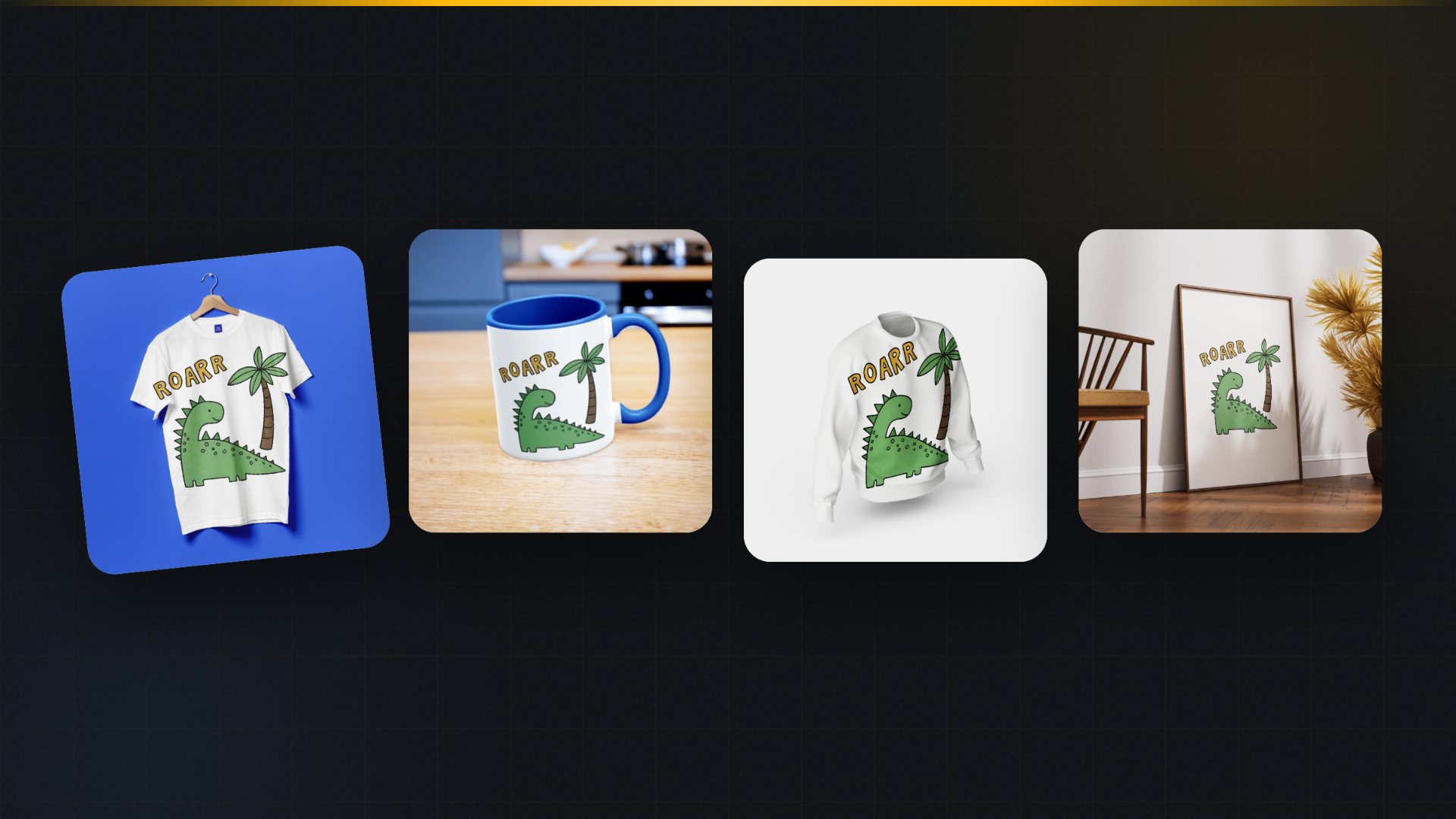
Every January the same lists appear: t-shirts, mugs, hoodies, repeat. They're not wrong, exactly. They're just answering half the question. Knowing that hoodies sell is like knowing that restaurants serve food; the money is in knowing which hoodie, for whom, and, the part every list skips, what it takes to make a buyer click yours instead of the forty identical ones above and below it.
After ten years of selling these products ourselves, we'd put it bluntly: in 2026 the product list matters less than ever and the presentation matters more than ever, because everyone has access to the same catalogs from the same print providers. Same blanks, same prices, same shipping. The listing image is the product.
So here's our version of the list: what's actually selling this year, with the market numbers that matter, and for each product, the specific images that make it convert.
The reliable core
T-shirts, still. Apparel holds roughly 39% of all POD revenue, and the humble tee remains the entry point for nearly every seller and buyer. What changed in 2026 is the premium shift: heavyweight, structured blanks are outselling the paper-thin basics that dominated five years ago, and buyers can tell the difference from the photo. The images that sell it: one clean flat or hanging shot for clarity, one on-model lifestyle shot for feel, and color variants for every option you offer. That last one is where most tee listings quietly bleed sales, and we wrote a whole guide to variant photos about it.
Hoodies. The category's profit engine: higher price point, higher perceived gift value, and demand that spikes hard from October through December. Industry trackers put hoodies among the highest-revenue POD items month after month. The images that sell it: lifestyle above all. A hoodie is bought for coziness, and coziness doesn't survive a flat product shot. On-model, outdoors, warm light. Our lifestyle photography guide covers making these without a photographer.
Mugs. Cheap to test, easy to gift, and the perfect second product for any design that worked on a tee. Mug listings live and die on scene: the same mug on white versus on a warm kitchen counter photographs like two different products and converts like it too. The images that sell it: a scene shot as the hero (AI backgrounds exist for exactly this), a clean white shot for the marketplace slot, and a design close-up.
Stickers. Small money per unit, enormous volume, and the lowest-risk product to validate a design style. Niche and fandom-adjacent designs dominate. The images that sell it: sharp close-ups that prove edge quality, plus an in-context shot showing scale, because "how big is it" is the sticker buyer's eternal question.
The growth categories
Wall art and home decor. The data story of 2026: home decor sits around 27% of POD revenue and is the fastest-growing segment, expanding at roughly 24% a year. Posters, canvases and framed prints monetize the same designs you already sell on apparel, at higher order values. The images that sell it: room context, nothing else comes close. A poster on white is wallpaper for a warehouse; the same poster above a styled sofa is furniture for a home. Every serious wall-art listing needs at least two room scenes.
Acrylic plaques and tiles. The breakout product of the year, riding weddings, anniversaries and memorial gifting. Order values are strong and competition is still thinner than in apparel. The images that sell it: light behavior. Acrylic's entire appeal is glossy depth, so listings need shots where reflections and edges are visible, plus a scale reference so buyers understand the physical size of what arrives.
Blankets and premium textiles. Sherpa and fleece blankets have become Q4 monsters, gift-priced and photogenic. If you sell seasonally, this and hoodies are your winter engine. The images that sell it: draped, touched, lived-on. Texture is the purchase, so texture is the photo.
The honest read on "what should I sell"
Product lists tempt beginners into catalog-first thinking: pick winners, upload everything, wait. Ten years in, our observed reality is the reverse. Sellers win on a design niche with an audience, then spread that niche across three or four of the products above, then, and this is the underrated step, give every single listing its full set of images.
Because here's the uncomfortable math of 2026: the seller next to you offers the same blank hoodie from the same provider at the same price. The design and the images are the entire competition. One of those is your art. The other one, these days, is a workflow, and it's the workflow we happen to have built an entire platform around: one design in, the full image set out, for every product on this list.
FAQ
What is the best print on demand product for beginners in 2026? T-shirts and mugs remain the lowest-risk starting points: cheap to test, universally understood, and forgiving. Start there, and expand a winning design to hoodies and wall art, where margins are better.
Which POD products have the highest profit margins? Hoodies, blankets, wall art and acrylic plaques typically carry the strongest margins, because buyers accept gift-level pricing. They also demand better imagery, which is exactly why the margin exists: fewer sellers bother to do them justice.
Is print on demand oversaturated in 2026? The generic middle is saturated: popular quotes on white tees with flat mockups. Niche designs with real image sets are not, because the number of sellers willing to do presentation properly stays stubbornly small.
How many images should a POD listing have? Fill every slot the platform gives you. A practical minimum per listing: one clean product shot, one lifestyle scene, variants for each option, and a scale or detail shot. Most platforms allow ten images; most sellers upload two; that gap is your opening.
MockItReal turns one design into every image on this page: mockups, lifestyle scenes, variants, marketplace shots, every size. Free plan: 10 mockups a month, no watermark, no card. Start free.